Article2 min read
A Complete U.S. Buyer’s Introduction to Dubai Real Estate
The essentials in one place: how ownership works for Americans, how the market is organised, what it costs, how residency fits in and the U.S. obligations that come with it.
- By
- HAG Realty Group
- Published
- Last reviewed
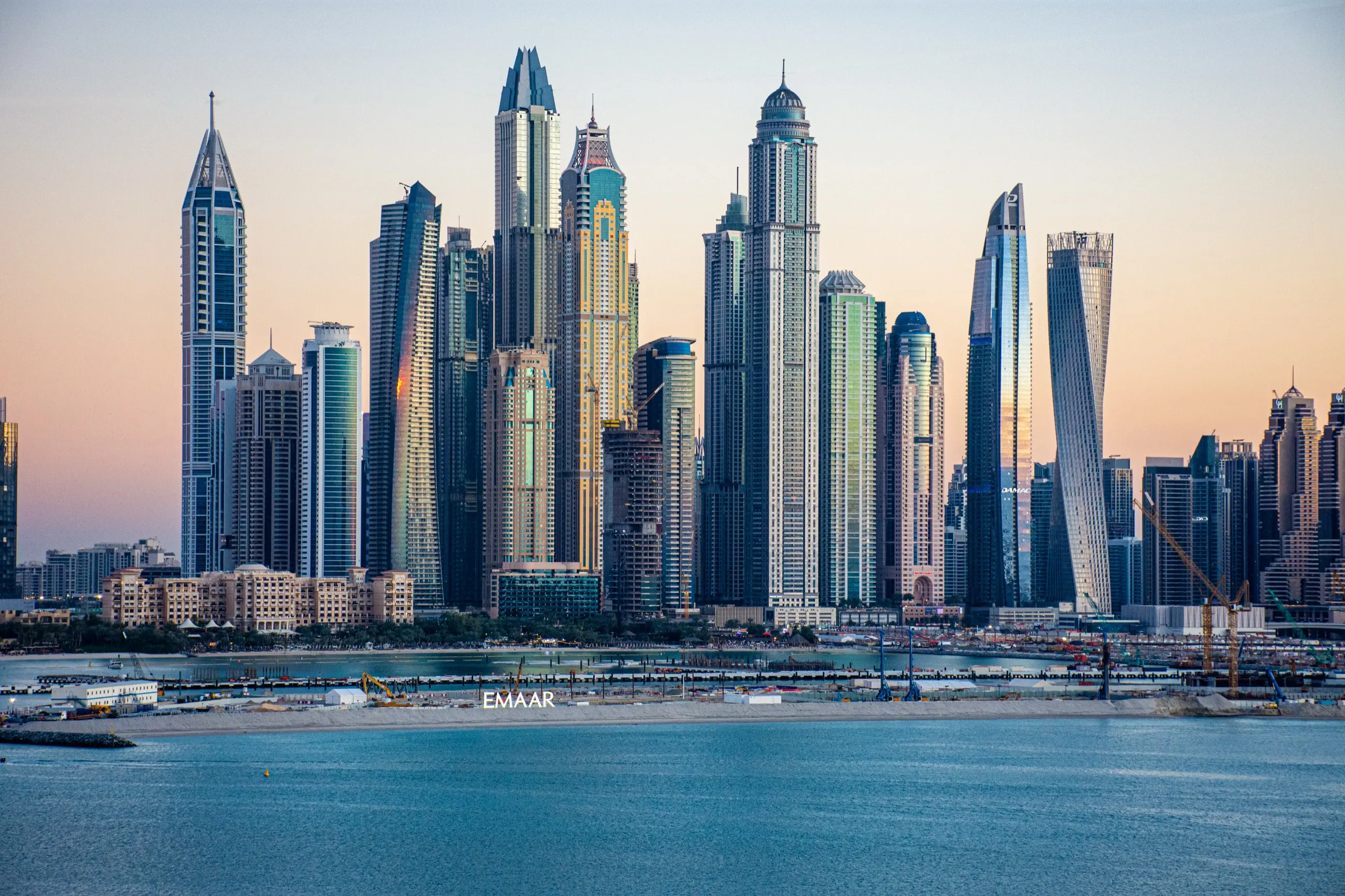
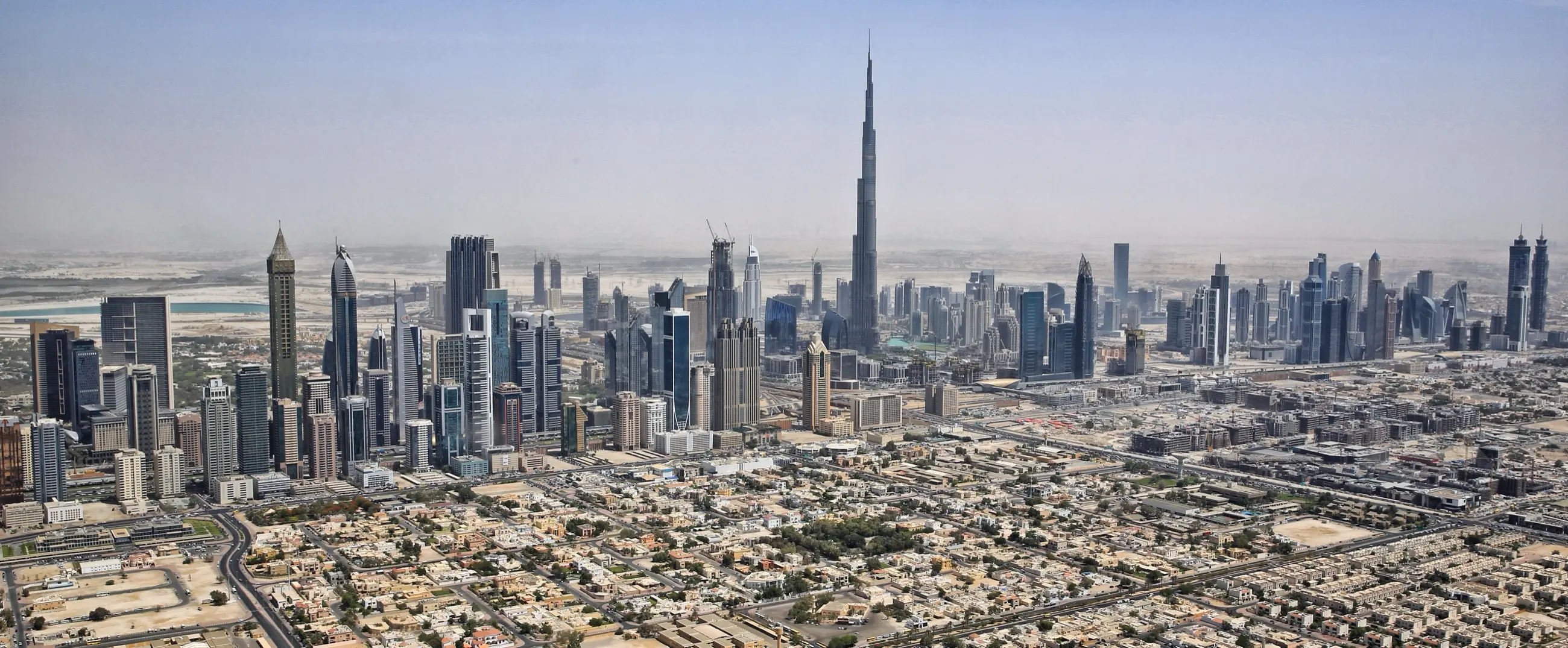
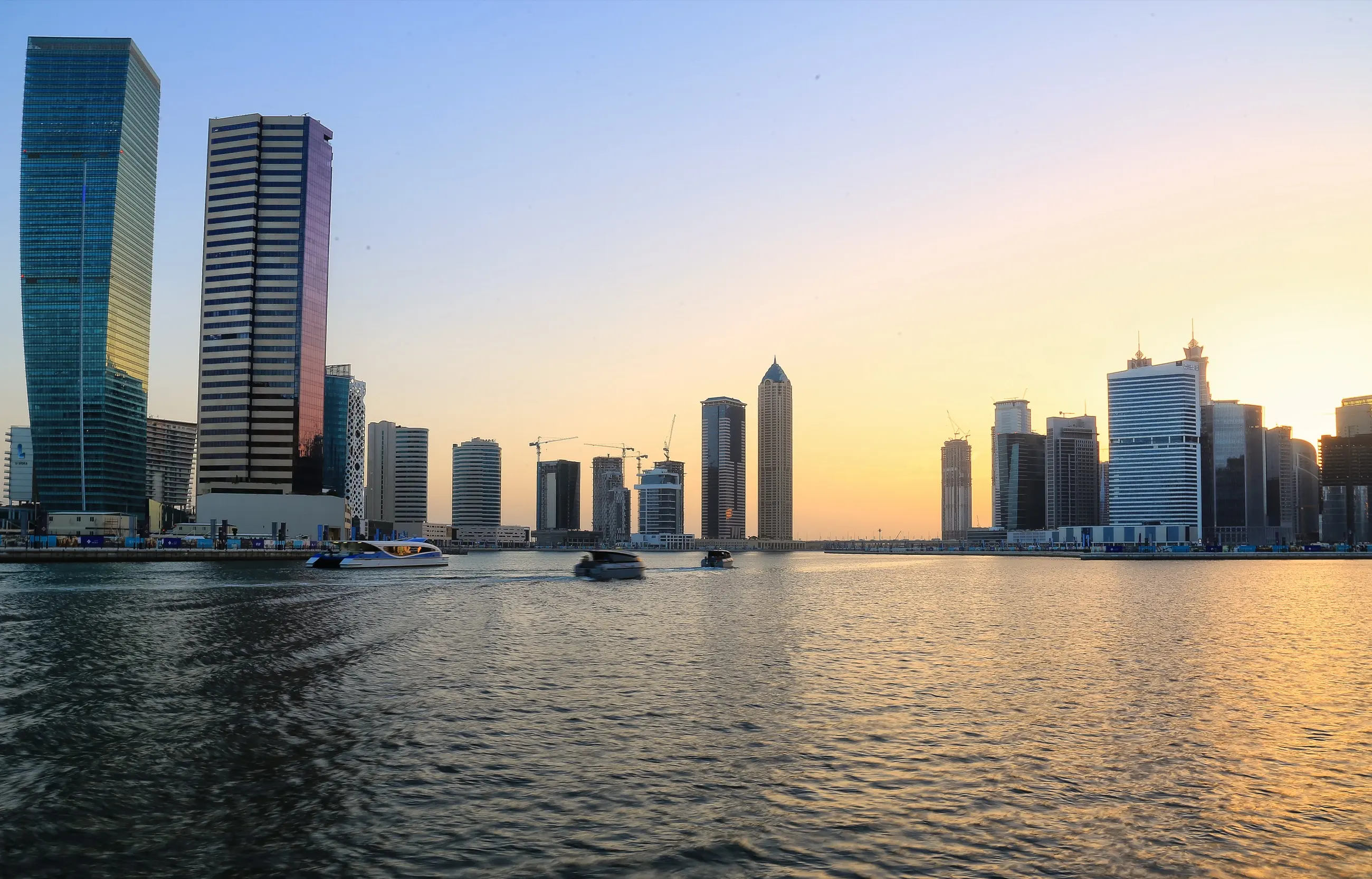
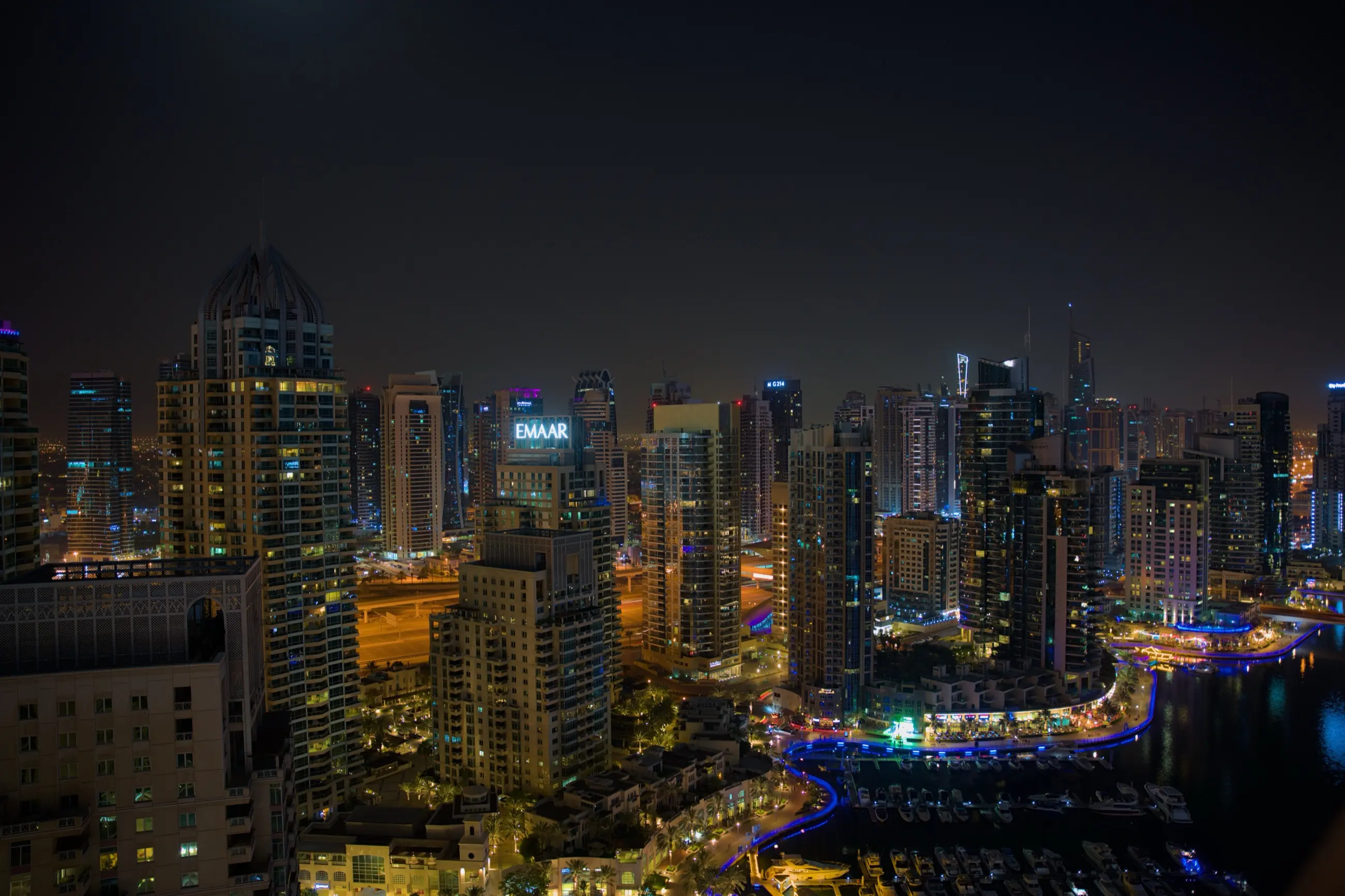
If you are an American looking at Dubai for the first time, the market can seem both familiar and foreign. Glass towers, master-planned suburbs and marketing campaigns feel recognisable; the legal framework, payment habits and vocabulary are not. This introduction gives you the map before you look at individual properties.
Who can own what
Non-UAE nationals can own freehold property in Dubai in areas designated for foreign ownership. These include most communities international buyers consider, from Downtown Dubai and Dubai Marina to Palm Jumeirah and Dubai Hills Estate. Title is registered with the Dubai Land Department (DLD), the government body that records sales, issues title deeds and regulates the sector through its regulatory arm, RERA.
Other emirates, such as Ras Al Khaimah and Abu Dhabi, have their own land authorities and their own rules on where and how foreigners may buy.
How the market is organised
- Master developers create entire communities and their infrastructure; many building developers then build within them.
- Off-plan sales — buying from the developer before completion — make up a large share of transactions.
- The secondary market covers completed homes sold between owners.
- Brokers must be licensed, and property advertisements in Dubai carry permit numbers that can be checked.
A vocabulary list
- Title deed: the ownership document issued by the DLD.
- Oqood: the interim registration of an off-plan purchase.
- Escrow account: the project account where off-plan payments are held under Dubai law.
- Service charge: the annual fee owners pay for building and community upkeep.
- Handover: when a completed off-plan property is delivered to the buyer.
- Snagging: inspecting a new property for defects before or at handover.
What it costs
Beyond the price, expect a DLD registration fee of 4% of the sale value plus administrative fees, agency commission where relevant, and the cost of moving money internationally. Our article on buying costs lists each item.
Currency and banking
The dirham is pegged to the U.S. dollar at roughly 3.67 per dollar. Many overseas buyers open a UAE bank account to handle service charges and rent, which can create U.S. reporting obligations.
Residency
Owning property in the UAE above certain values can support an application for residency, including the Golden Visa for qualifying investments. It is not automatic, and official requirements change.
Your U.S. obligations
U.S. citizens and residents remain taxable on worldwide income. Rental income and gains from a Dubai property are reportable to the IRS. Directly held foreign real estate is not itself reported on Form 8938 or the FBAR, but foreign bank accounts and entity structures can be. Plan with a U.S. tax professional.
Where to go next
Read our step-by-step guide to buying from the United States, compare off-plan and ready property, and browse the community guides. When you are ready, a consultation can turn general research into a short list that fits your goals.
General information only — not legal, financial or tax advice.
Have a question about your own situation?
Talk it through with Dr. Hamza Akram before you commit.
Book a Consultation